Buzuq
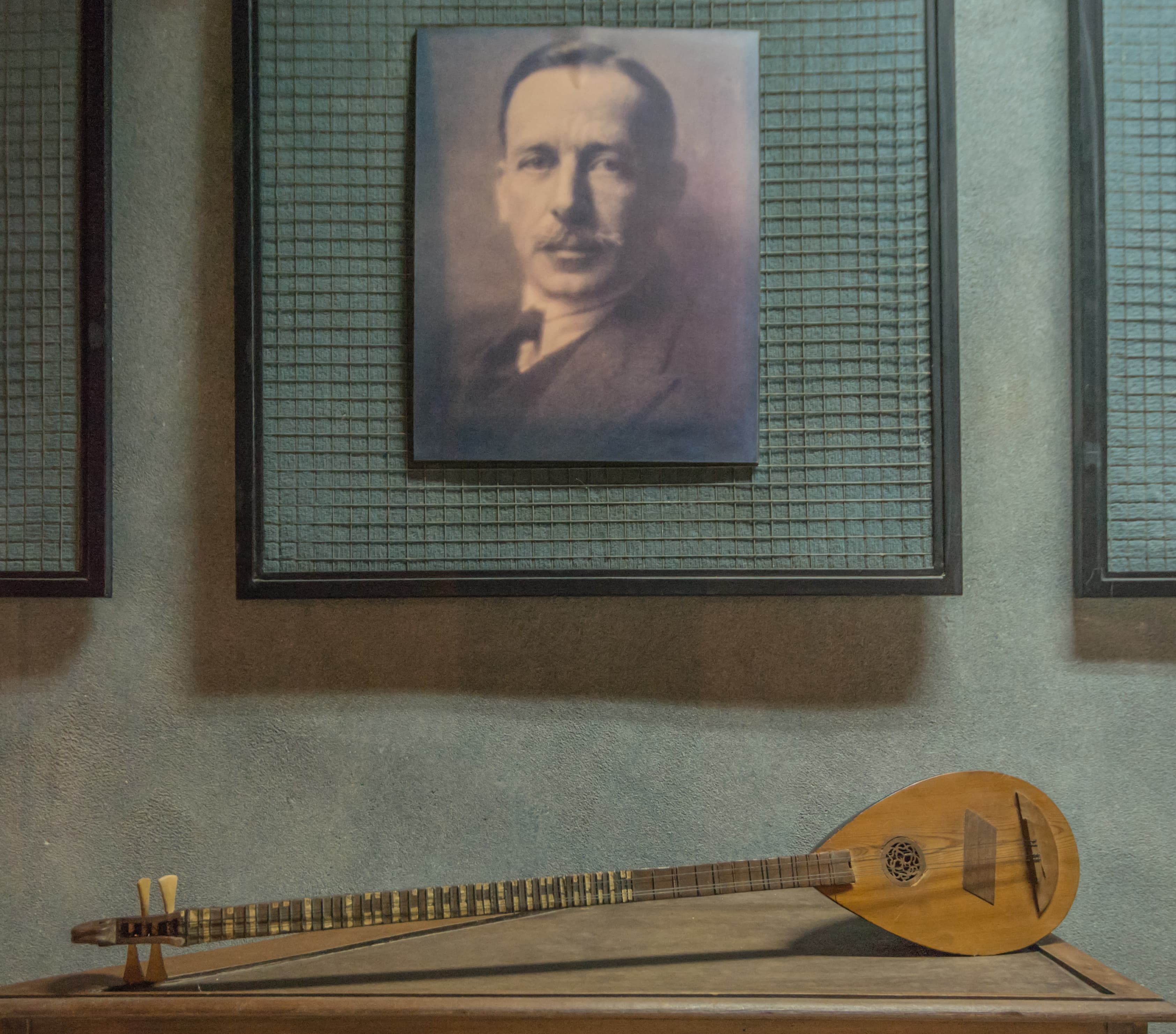
The buzuq is a Middle Eastern string instrument with a long neck and pear-shaped body that produces bright, metallic tones. It's central to Arabic folk music and has a distinctive sound.
Overview
The buzuq is a Middle Eastern string instrument with a long neck and pear-shaped body that produces bright, metallic tones. It's central to Arabic folk music and has a distinctive sound.
Cultural context
Central to Arabic folk music, representing the soul of Middle Eastern tradition
Legendary players
- Marcel KhalifeArtifact →
- Anouar Brahem—
- Munir Bashir—
Specimen note
The buzuq has a long neck and pear-shaped body, similar to the oud but with a different tuning.
Technical specifications
Exhibit datasheet · derived from catalog fields
- Materials & construction hints
- metallic
- Tuning & pitch
- Pitch material is tradition-specific; see description for scale and temperament context.
- Register & role
- String · typical use: Arabic Folk, Middle Eastern, World
- Acoustic range (general)
- Harmonic content follows string length, tension, and resonator; partials differ by construction.
- Market class (indicative)
- $200-800
Historical context
Central to Arabic folk music, representing the soul of Middle Eastern tradition The buzuq is a Middle Eastern string instrument with a long neck and pear-shaped body that produces bright, metallic tones.
Frequently asked questions
- What is a Buzuq?
- The buzuq is a Middle Eastern string instrument with a long neck and pear-shaped body that produces bright, metallic tones. It's central to Arabic folk music and has a distinctive sound.
- Where does the Buzuq come from?
- Buzuq is documented in this archive as a string tradition associated with Middle East. Open the culture guide from this page for regional context.
- How difficult is the Buzuq to learn?
- Difficulty varies by player and pedagogy. Use the difficulty field in the quick facts panel as a relative guide, then listen to specimen audio and explore related instruments in the same family.
Discovery web
Related artifacts
Swipe →
- BouzoukiString · GreeceShared lineageSame familySame eraRelated catalog
- OudString · Middle EastShared lineageSame familyRelated catalogShared artists
- GuitarString · SpainSame familySame eraRelated catalog
- TamburaString · BalkansShared lineageSame familySame era
- QanunString · Middle EastSame familySame eraShared artists
- RebabString · Middle EastSame familySame eraShared artists
- BanjoString · United StatesShared lineageSame familySame eraRelated catalog
- UkuleleString · HawaiiShared lineageSame familySame eraRelated catalog
- LuteString · Middle EastShared lineageSame familySame eraRelated catalog
- MandolinString · ItalyShared lineageSame familySame eraRelated catalog