Analog Synthesizer
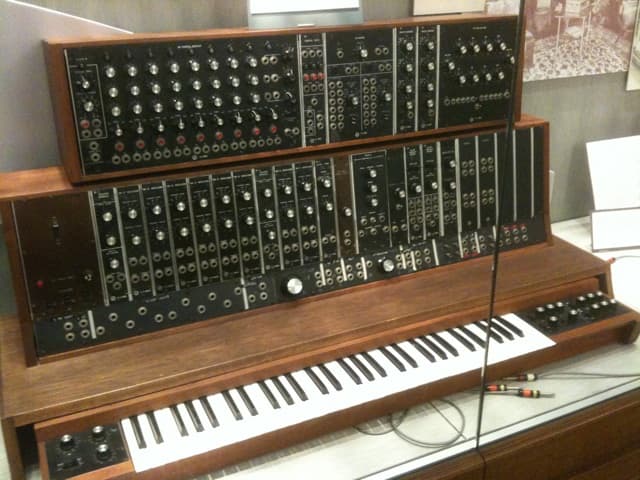
The analog synthesizer revolutionized music by generating sound through electronic circuits rather than acoustic vibration. With oscillators, filters, and envelopes, it can create an infinite variety of sounds from warm bass to ethereal pads. The foundation of electronic music.
Overview
The analog synthesizer revolutionized music by generating sound through electronic circuits rather than acoustic vibration. With oscillators, filters, and envelopes, it can create an infinite variety of sounds from warm bass to ethereal pads. The foundation of electronic music.
Cultural context
The analog synthesizer represents the intersection of technology and creativity, enabling musicians to explore entirely new sonic territories and giving birth to entire genres of music.
Legendary players
- Wendy Carlos—
- Keith Emerson—
- Rick Wakeman—
- Jean-Michel JarreArtifact →
Specimen note
The Moog synthesizer was so revolutionary that it was featured in the 1968 album 'Switched-On Bach', which won three Grammy Awards and introduced classical music fans to electronic sounds.
Technical specifications
Exhibit datasheet · derived from catalog fields
- Materials & construction hints
- See specimen tags and description for construction lineage
- Tuning & pitch
- Tuning systems vary by repertoire; consult tradition-specific pedagogy for concert pitch.
- Register & role
- Electronic · typical use: Electronic, Ambient, Progressive Rock
- Acoustic range (general)
- Acoustic behavior follows the primary excitation mechanism described in the overview.
- Market class (indicative)
- $500-$5000
Historical context
The analog synthesizer represents the intersection of technology and creativity, enabling musicians to explore entirely new sonic territories and giving birth to entire genres of music.
Frequently asked questions
- What is a Analog Synthesizer?
- The analog synthesizer revolutionized music by generating sound through electronic circuits rather than acoustic vibration. With oscillators, filters, and envelopes, it can create an infinite variety of sounds from wa…
- Where does the Analog Synthesizer come from?
- Analog Synthesizer is documented in this archive as a electronic tradition associated with United States. Open the culture guide from this page for regional context.
- How difficult is the Analog Synthesizer to learn?
- Difficulty varies by player and pedagogy. Use the difficulty field in the quick facts panel as a relative guide, then listen to specimen audio and explore related instruments in the same family.
Discovery web
Related artifacts
Swipe →
- SynthesizerElectronic · United StatesShared lineageSame familySame eraSame regionRelated catalogShared artists
- Drum MachineElectronic · United StatesShared lineageSame familySame regionRelated catalog
- SamplerElectronic · United StatesShared lineageSame familySame regionRelated catalog
- SequencerElectronic · United StatesShared lineageSame familySame regionRelated catalog
- Keyboard SynthesizerElectronic · United StatesShared lineageSame familySame eraSame regionShared artists
- MIDI ControllerElectronic · United StatesShared lineageSame familySame region
- WorkstationElectronic · JapanShared lineageSame familyRelated catalog
- Electric GuitarString · United StatesShared lineageSame eraSame region
- Bass GuitarString · United StatesShared lineageSame eraSame region
- ThereminElectronic · RussiaShared lineageSame family