Washboard
The washboard is an American percussion instrument made from a metal washboard that produces sharp, percussive tones. It's central to jug band and folk music and has become a symbol of American musical innovation.
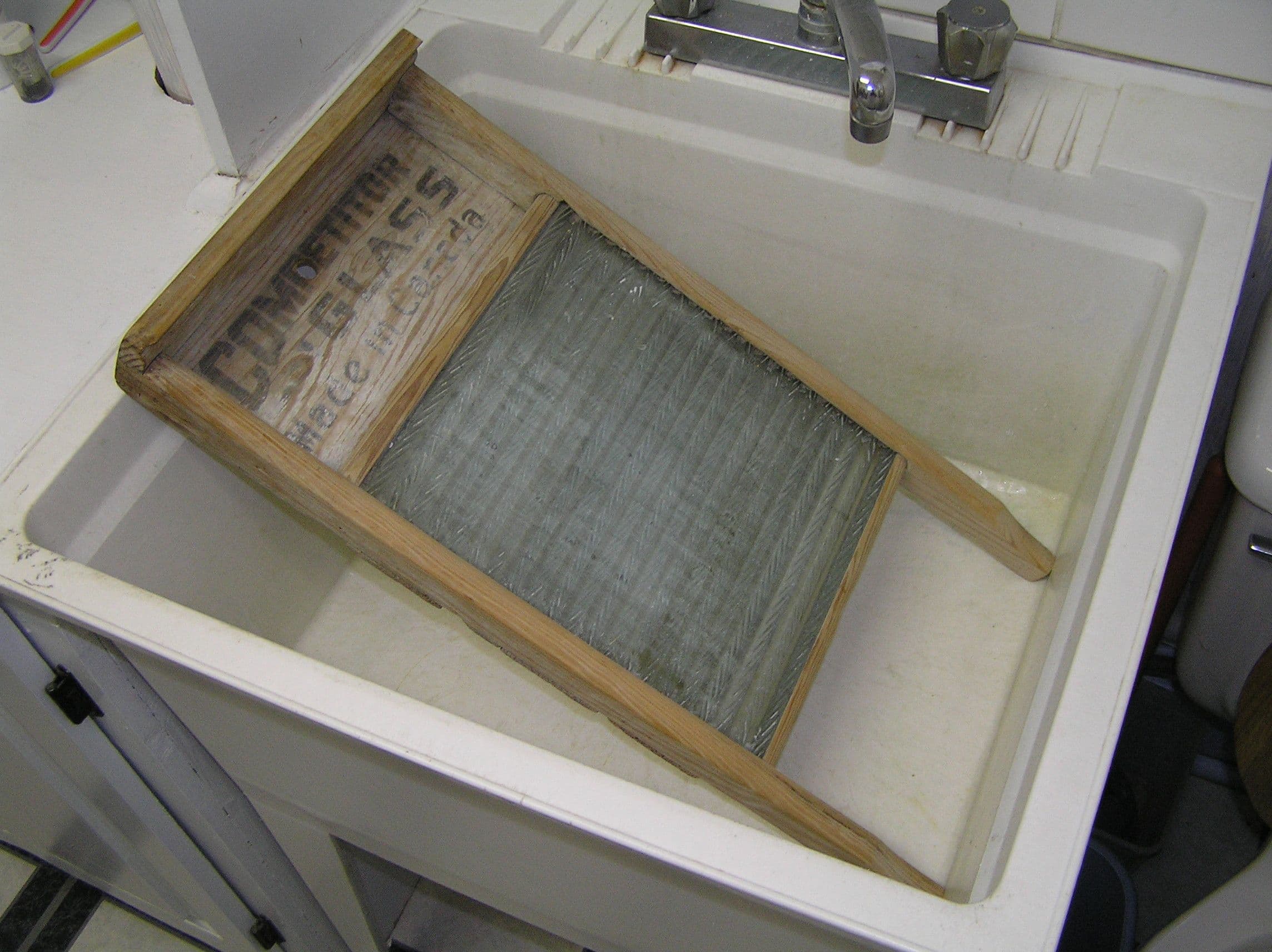
Overview
The washboard is an American percussion instrument made from a metal washboard that produces sharp, percussive tones. It's central to jug band and folk music and has become a symbol of American musical innovation.
Cultural context
Central to American jug band music, representing the creativity of American musical tradition
Legendary players
- Gus Cannon—
- Will Shade—
- Memphis Jug Band—
Specimen note
The washboard was originally used for washing clothes before becoming a musical instrument.
Technical specifications
Exhibit datasheet · derived from catalog fields
- Materials & construction hints
- metal
- Tuning & pitch
- Tuning systems vary by repertoire; consult tradition-specific pedagogy for concert pitch.
- Register & role
- Percussion · typical use: Jug Band, American Folk, Blues
- Acoustic range (general)
- Non-pitched percussion emphasizes temporal envelope; pitched percussion follows bar or membrane physics.
- Market class (indicative)
- $20-100
Historical context
Central to American jug band music, representing the creativity of American musical tradition The washboard is an American percussion instrument made from a metal washboard that produces sharp, percussive tones.
Frequently asked questions
- What is a Washboard?
- The washboard is an American percussion instrument made from a metal washboard that produces sharp, percussive tones. It's central to jug band and folk music and has become a symbol of American musical innovation.
- Where does the Washboard come from?
- Washboard is documented in this archive as a percussion tradition associated with United States. Open the culture guide from this page for regional context.
- How difficult is the Washboard to learn?
- Difficulty varies by player and pedagogy. Use the difficulty field in the quick facts panel as a relative guide, then listen to specimen audio and explore related instruments in the same family.
Discovery web
Related artifacts
Swipe →
- VibraphonePercussion · United StatesSame familySame eraSame region
- BongoPercussion · CubaShared lineageSame familySame era
- DarbukaPercussion · Middle EastShared lineageSame familySame era
- Djembe (Small)Percussion · West AfricaShared lineageSame familySame era
- LikembePercussion · Central AfricaShared lineageSame familySame era
- SanzaPercussion · Central AfricaShared lineageSame familySame era
- Steel GuitarString · United StatesShared lineageSame eraSame region
- Lap Steel GuitarString · United StatesShared lineageSame eraSame region
- Pedal Steel GuitarString · United StatesShared lineageSame eraSame region
- DobroString · United StatesShared lineageSame eraSame region