Instrument · traditional
Percussion
Ashiko
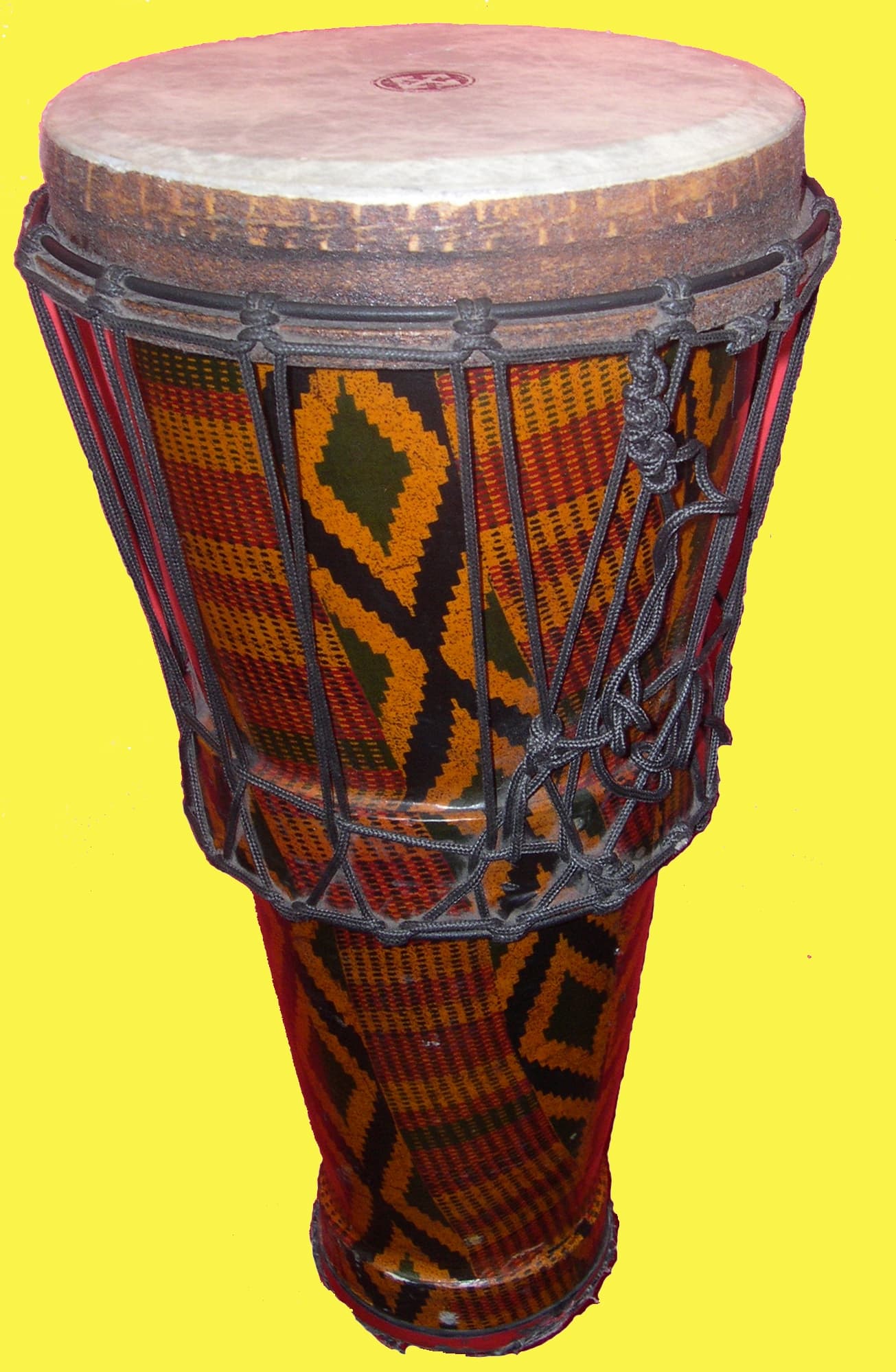
The ashiko is a West African drum with a tapered body that produces deep, resonant tones. It's played with bare hands and is central to traditional African music.
West AfricatraditionalIntermediate
Overview
The ashiko is a West African drum with a tapered body that produces deep, resonant tones. It's played with bare hands and is central to traditional African music.
Cultural context
Central to West African music, representing the heartbeat of traditional ceremonies
Legendary players
- Babátúndé Olátúnjí—
- Olatunji—
- Famoudou Konaté—
Specimen note
The ashiko has a tapered body that creates a unique sound different from the djembe.
Technical specifications
Exhibit datasheet · derived from catalog fields
- Materials & construction hints
- See specimen tags and description for construction lineage
- Tuning & pitch
- Tuning systems vary by repertoire; consult tradition-specific pedagogy for concert pitch.
- Register & role
- Percussion · typical use: West African, Traditional, World
- Acoustic range (general)
- Non-pitched percussion emphasizes temporal envelope; pitched percussion follows bar or membrane physics.
- Market class (indicative)
- $80-300
Historical context
Central to West African music, representing the heartbeat of traditional ceremonies The ashiko is a West African drum with a tapered body that produces deep, resonant tones.
Frequently asked questions
- What is a Ashiko?
- The ashiko is a West African drum with a tapered body that produces deep, resonant tones. It's played with bare hands and is central to traditional African music.
- Where does the Ashiko come from?
- Ashiko is documented in this archive as a percussion tradition associated with West Africa. Open the culture guide from this page for regional context.
- How difficult is the Ashiko to learn?
- Difficulty varies by player and pedagogy. Use the difficulty field in the quick facts panel as a relative guide, then listen to specimen audio and explore related instruments in the same family.
Discovery web
Related artifacts
Swipe →
- DjembePercussion · West AfricaShared lineageSame familySame eraRelated catalog
- BongoPercussion · CubaSame familySame eraRelated catalog
- CongaPercussion · CubaSame familySame eraRelated catalog
- TablaPercussion · IndiaSame familySame eraRelated catalog
- TambourinePercussion · Middle EastSame familySame eraRelated catalog
- KalimbaPercussion · ZimbabweShared lineageSame familySame era
- CajónPercussion · PeruShared lineageSame familySame era
- BalafonPercussion · West AfricaShared lineageSame familySame era
- MridangamPercussion · IndiaShared lineageSame familySame era
- Talking DrumPercussion · West AfricaShared lineageSame familySame era