Cajón
The cajón is a box-shaped drum that you sit on and play with your hands, producing deep, resonant tones. Originally made from fruit crates and used by African slaves in Peru, it's now a global percussion phenomenon.
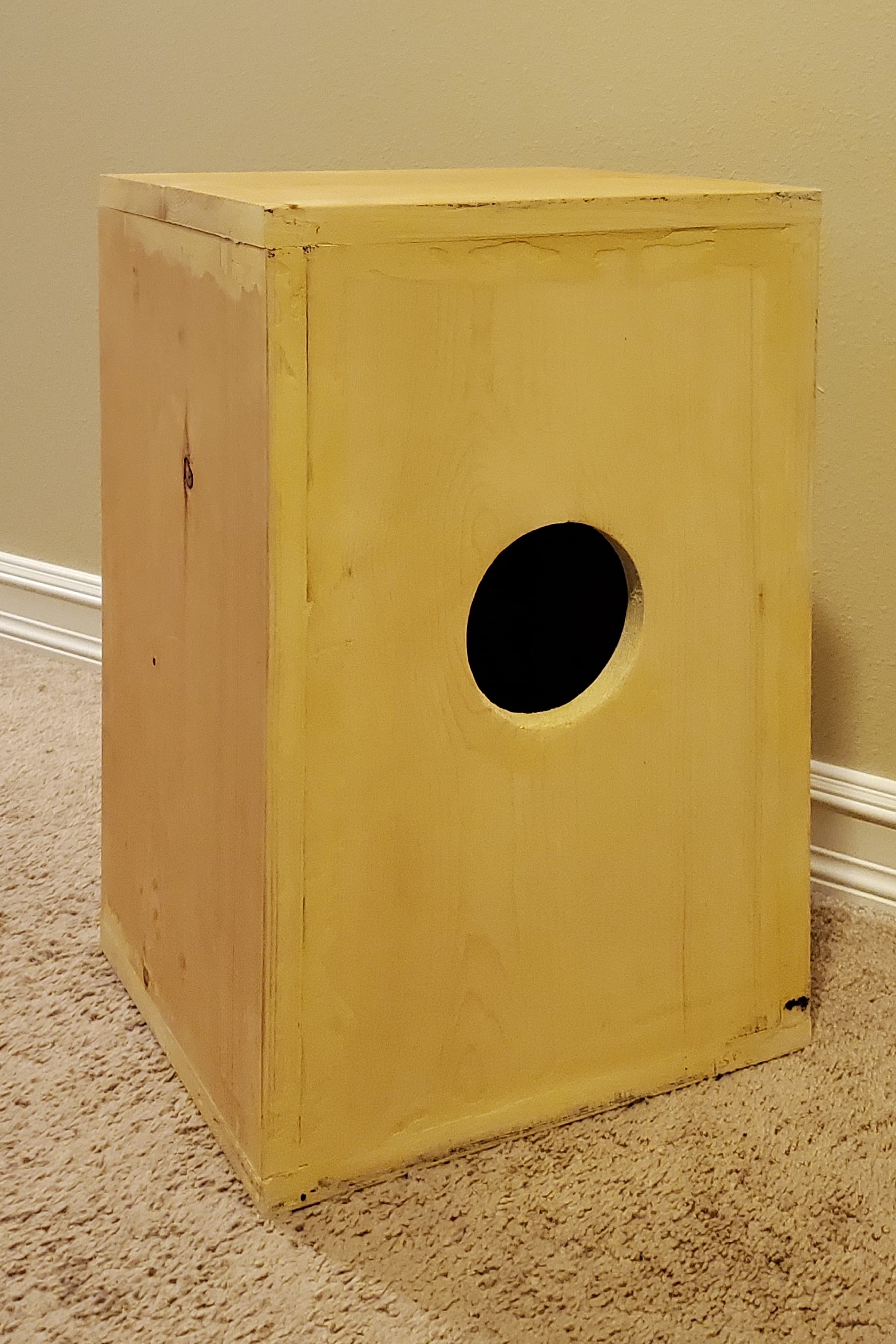
Overview
The cajón is a box-shaped drum that you sit on and play with your hands, producing deep, resonant tones. Originally made from fruit crates and used by African slaves in Peru, it's now a global percussion phenomenon.
Cultural context
Born from African slave culture in Peru, now central to flamenco and world music
Legendary players
- Caitro SotoArtifact →
- Pedro Suárez-Vértiz—
- Alex Acuña—
Specimen note
Originally made from fruit crates and used by African slaves in Peru.
Technical specifications
Exhibit datasheet · derived from catalog fields
- Materials & construction hints
- See specimen tags and description for construction lineage
- Tuning & pitch
- Tuning systems vary by repertoire; consult tradition-specific pedagogy for concert pitch.
- Register & role
- Percussion · typical use: Flamenco, Latin, World
- Acoustic range (general)
- Non-pitched percussion emphasizes temporal envelope; pitched percussion follows bar or membrane physics.
- Market class (indicative)
- $80-300
Historical context
Born from African slave culture in Peru, now central to flamenco and world music The cajón is a box-shaped drum that you sit on and play with your hands, producing deep, resonant tones.
Frequently asked questions
- What is a Cajón?
- The cajón is a box-shaped drum that you sit on and play with your hands, producing deep, resonant tones. Originally made from fruit crates and used by African slaves in Peru, it's now a global percussion phenomenon.
- Where does the Cajón come from?
- Cajón is documented in this archive as a percussion tradition associated with Peru. Open the culture guide from this page for regional context.
- How difficult is the Cajón to learn?
- Difficulty varies by player and pedagogy. Use the difficulty field in the quick facts panel as a relative guide, then listen to specimen audio and explore related instruments in the same family.
Discovery web
Related artifacts
Swipe →
- DjembePercussion · West AfricaShared lineageSame familySame eraRelated catalog
- BongoPercussion · CubaSame familySame eraRelated catalog
- Cajón (Peruano)Percussion · PeruShared lineageSame familySame eraSame region
- CongaPercussion · CubaSame familySame eraRelated catalog
- AshikoPercussion · West AfricaShared lineageSame familySame eraRelated catalog
- TablaPercussion · IndiaSame familySame eraRelated catalog
- TambourinePercussion · Middle EastSame familySame eraRelated catalog
- KalimbaPercussion · ZimbabweShared lineageSame familySame era
- Talking Drum (Small)Percussion · West AfricaShared lineageSame familySame era
- Udu DrumPercussion · NigeriaShared lineageSame familySame era