Bansuri (Indian)
The Indian bansuri is a side-blown bamboo flute with 6-7 finger holes. It's one of the oldest instruments in Indian classical music, capable of producing the most subtle microtonal variations and emotional expressions. The bansuri is associated with Lord Krishna and represents divine love.
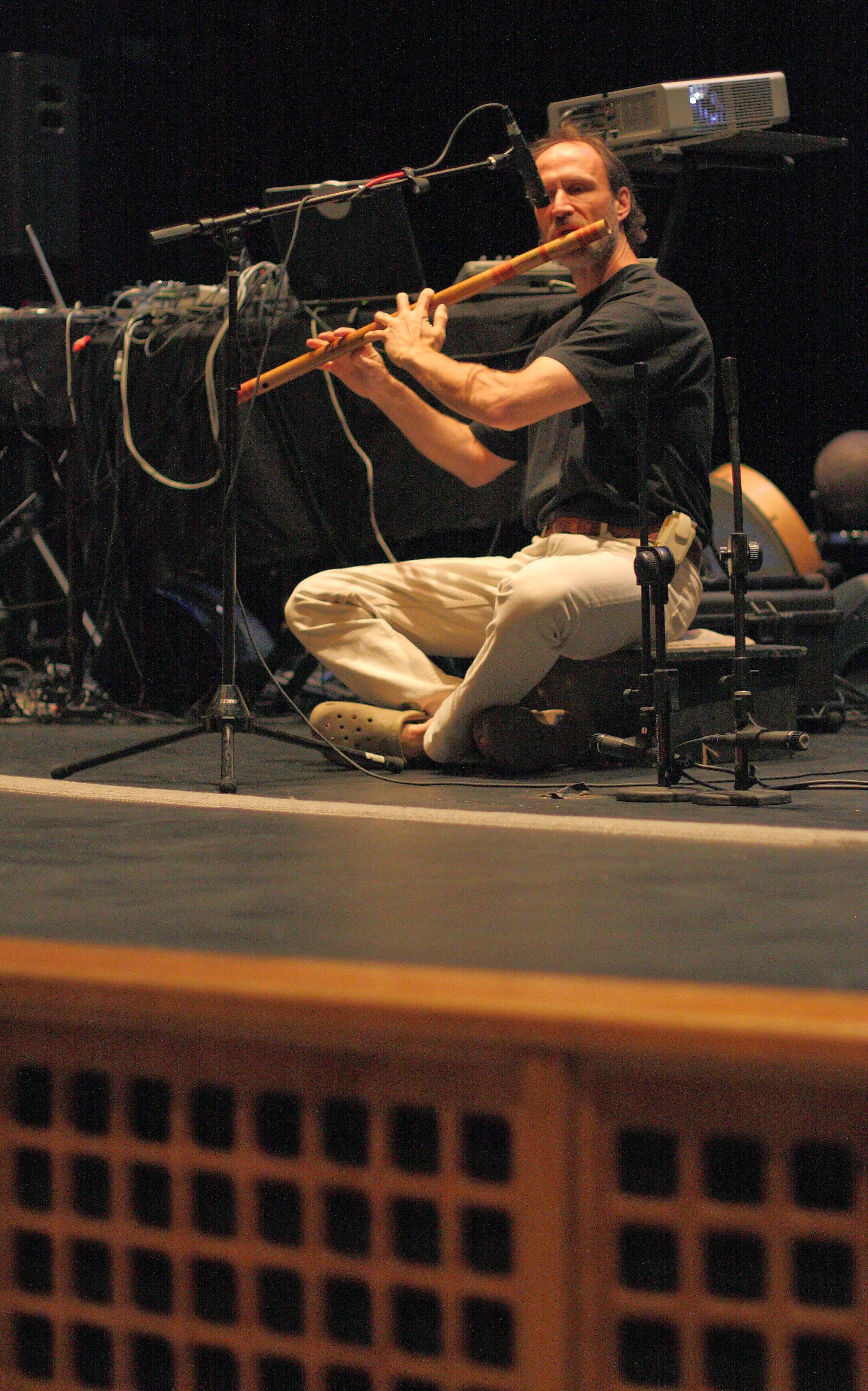
Overview
The Indian bansuri is a side-blown bamboo flute with 6-7 finger holes. It's one of the oldest instruments in Indian classical music, capable of producing the most subtle microtonal variations and emotional expressions. The bansuri is associated with Lord Krishna and represents divine love.
Cultural context
The bansuri is deeply connected to Hindu mythology and spirituality, particularly associated with Lord Krishna. It represents the divine voice and the connection between human and spiritual realms.
Legendary players
- Hariprasad ChaurasiaArtifact →
- Pannalal Ghosh—
- Rakesh Chaurasia—
- Nityanand Haldipur—
Specimen note
The bansuri is traditionally made from a single piece of bamboo that must be naturally hollowed out by insects - no two bansuris sound exactly the same.
Technical specifications
Exhibit datasheet · derived from catalog fields
- Materials & construction hints
- See specimen tags and description for construction lineage
- Tuning & pitch
- Pitch material is tradition-specific; see description for scale and temperament context.
- Register & role
- Wind · typical use: Indian Classical, Hindustani, Devotional
- Acoustic range (general)
- Frequency range depends on bore, length, and embouchure; treat published ranges as repertoire-dependent.
- Market class (indicative)
- $50-$500
Historical context
The bansuri is deeply connected to Hindu mythology and spirituality, particularly associated with Lord Krishna. It represents the divine voice and the connection between human and spiritual realms. The Indian bansuri is a side-blown bamboo flute with 6-7 finger holes.
Frequently asked questions
- What is a Bansuri (Indian)?
- The Indian bansuri is a side-blown bamboo flute with 6-7 finger holes. It's one of the oldest instruments in Indian classical music, capable of producing the most subtle microtonal variations and emotional expressions…
- Where does the Bansuri (Indian) come from?
- Bansuri (Indian) is documented in this archive as a wind tradition associated with India. Open the culture guide from this page for regional context.
- How difficult is the Bansuri (Indian) to learn?
- Difficulty varies by player and pedagogy. Use the difficulty field in the quick facts panel as a relative guide, then listen to specimen audio and explore related instruments in the same family.
Discovery web
Related artifacts
Swipe →
- BansuriWind · IndiaSame familySame eraSame regionRelated catalogShared artists
- HarmoniumWind · IndiaShared lineageSame familySame eraSame region
- Harmonium (Indian)Wind · IndiaSame familySame eraSame region
- FluteWind · AncientShared lineageSame familyRelated catalog
- PiccoloWind · ItalyShared lineageSame familySame eraRelated catalog
- ShakuhachiWind · JapanSame familySame eraRelated catalog
- DiziWind · ChinaSame familySame eraRelated catalog
- Tabla (Pair)Percussion · IndiaShared lineageSame eraSame region
- RecorderWind · GermanySame familySame eraRelated catalog
- SitarString · IndiaShared lineageSame eraSame region