Santur
The santur is a Persian hammered dulcimer that produces cascading, metallic tones and is central to Persian classical music. Played with two small hammers, creating a shimmering, bell-like sound.
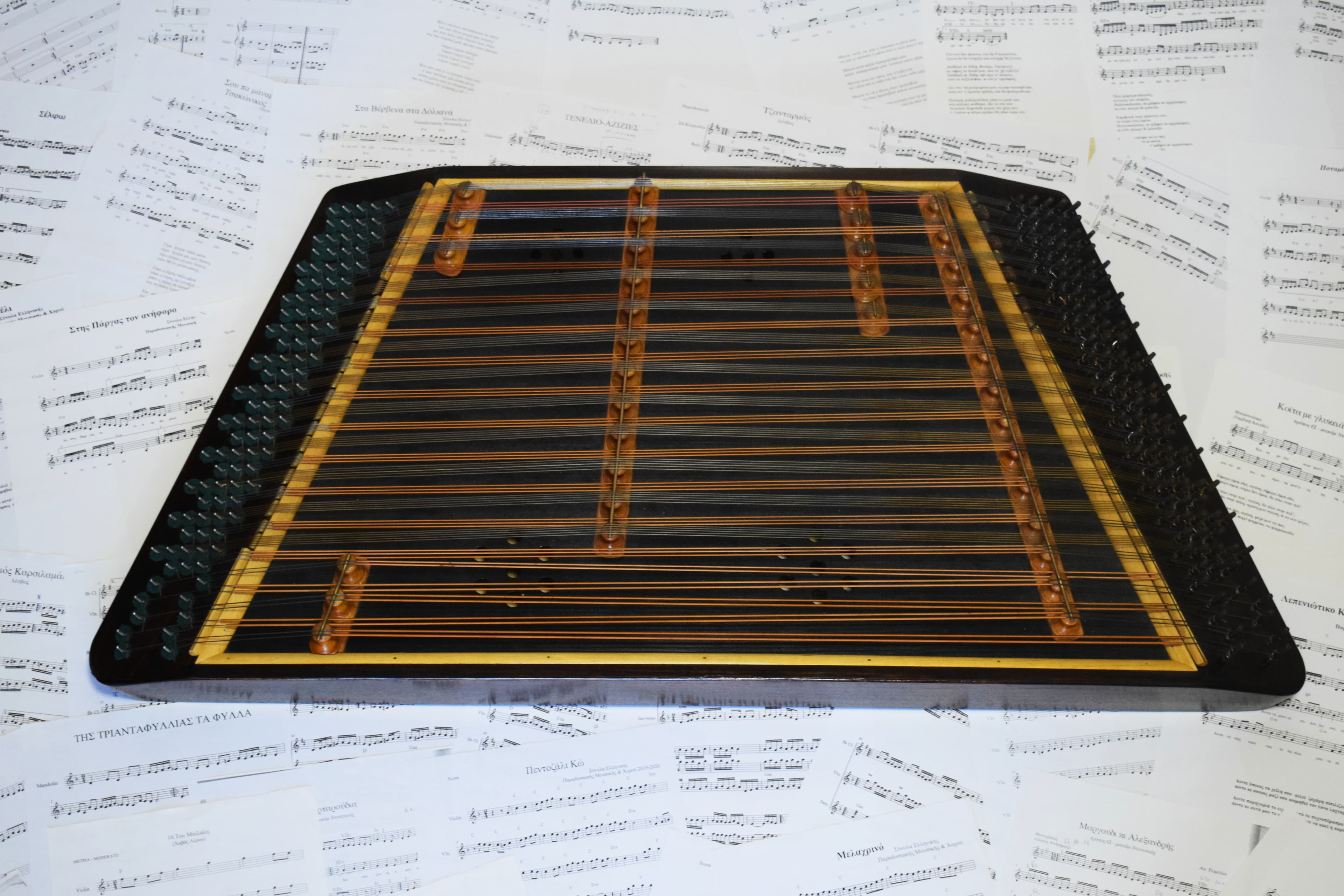
Overview
The santur is a Persian hammered dulcimer that produces cascading, metallic tones and is central to Persian classical music. Played with two small hammers, creating a shimmering, bell-like sound.
Cultural context
Central to Persian classical music, representing the golden age of Persian culture
Legendary players
- Parviz MeshkatianArtifact →
- Pashang Kamkar—
- Siamak Aghaei—
Specimen note
Played with two small hammers, creating a shimmering, bell-like sound.
Technical specifications
Exhibit datasheet · derived from catalog fields
- Materials & construction hints
- metallic
- Tuning & pitch
- Tuning systems vary by repertoire; consult tradition-specific pedagogy for concert pitch.
- Register & role
- String · typical use: Persian Classical, Middle Eastern, World
- Acoustic range (general)
- Harmonic content follows string length, tension, and resonator; partials differ by construction.
- Market class (indicative)
- $200-1000
Historical context
Central to Persian classical music, representing the golden age of Persian culture The santur is a Persian hammered dulcimer that produces cascading, metallic tones and is central to Persian classical music.
Frequently asked questions
- What is a Santur?
- The santur is a Persian hammered dulcimer that produces cascading, metallic tones and is central to Persian classical music. Played with two small hammers, creating a shimmering, bell-like sound.
- Where does the Santur come from?
- Santur is documented in this archive as a string tradition associated with Persia. Open the culture guide from this page for regional context.
- How difficult is the Santur to learn?
- Difficulty varies by player and pedagogy. Use the difficulty field in the quick facts panel as a relative guide, then listen to specimen audio and explore related instruments in the same family.
Discovery web
Related artifacts
Swipe →
- YangqinString · ChinaShared lineageSame familySame eraRelated catalog
- DulcimerString · AppalachiaSame familySame eraRelated catalog
- Santur (Persian)String · IranShared lineageSame familySame eraShared artists
- KhimString · ThailandShared lineageSame familySame eraRelated catalog
- KamanchehString · IranShared lineageSame familySame eraShared artists
- TarString · IranShared lineageSame familySame eraShared artists
- SetarString · IranShared lineageSame familySame eraShared artists
- CimbalomString · HungaryShared lineageSame familySame eraRelated catalog
- AutoharpString · United StatesSame familySame eraRelated catalog
- ZitherString · GermanySame familySame eraRelated catalog