Accordion (Chromatic)
The chromatic accordion is a German wind instrument that produces a wide range of tones. It's central to European classical and folk music and has a more complex sound than the diatonic accordion.
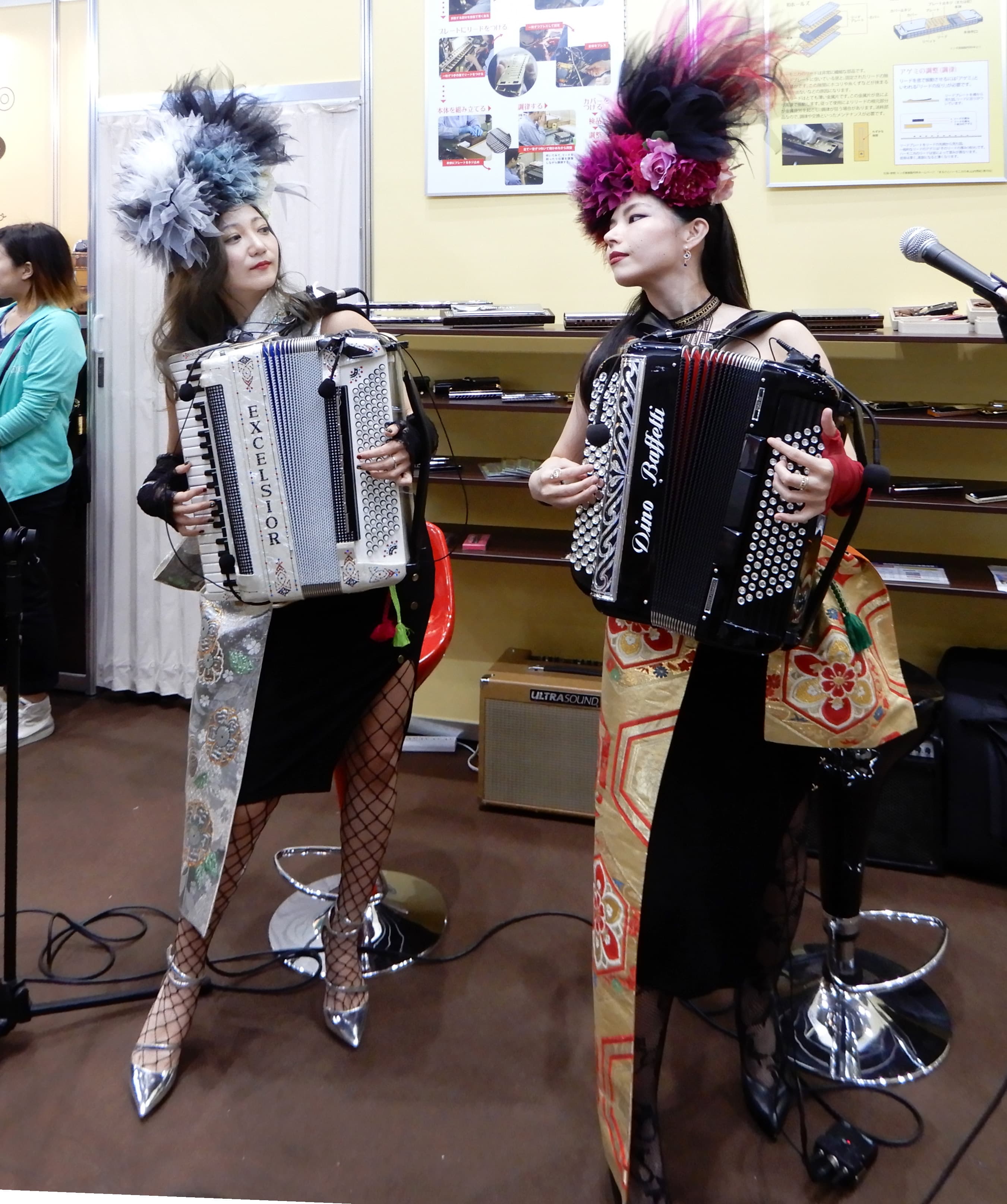
Overview
The chromatic accordion is a German wind instrument that produces a wide range of tones. It's central to European classical and folk music and has a more complex sound than the diatonic accordion.
Cultural context
Central to European classical music, representing the sophistication of European musical tradition
Legendary players
- Astor PiazzollaArtifact →
- Richard Galliano—
- Yann Tiersen—
Specimen note
The chromatic accordion has a full range of notes and is used in classical music.
Technical specifications
Exhibit datasheet · derived from catalog fields
- Materials & construction hints
- See specimen tags and description for construction lineage
- Tuning & pitch
- Tuning systems vary by repertoire; consult tradition-specific pedagogy for concert pitch.
- Register & role
- Wind · typical use: European Classical, Folk, World
- Acoustic range (general)
- Frequency range depends on bore, length, and embouchure; treat published ranges as repertoire-dependent.
- Market class (indicative)
- $300-2000
Historical context
Central to European classical music, representing the sophistication of European musical tradition The chromatic accordion is a German wind instrument that produces a wide range of tones.
Frequently asked questions
- What is a Accordion (Chromatic)?
- The chromatic accordion is a German wind instrument that produces a wide range of tones. It's central to European classical and folk music and has a more complex sound than the diatonic accordion.
- Where does the Accordion (Chromatic) come from?
- Accordion (Chromatic) is documented in this archive as a wind tradition associated with Germany. Open the culture guide from this page for regional context.
- How difficult is the Accordion (Chromatic) to learn?
- Difficulty varies by player and pedagogy. Use the difficulty field in the quick facts panel as a relative guide, then listen to specimen audio and explore related instruments in the same family.
Discovery web
Related artifacts
Swipe →
- AccordionWind · EuropeSame familySame eraRelated catalogShared artists
- HarmoniumWind · IndiaShared lineageSame familySame eraRelated catalog
- ConcertinaWind · EnglandSame familySame eraRelated catalog
- BandoneónWind · GermanyShared lineageSame familySame eraRelated catalogShared artists
- ClarinetWind · GermanyShared lineageSame familySame era
- MelodeonWind · FranceSame familySame eraRelated catalog
- OboeWind · FranceShared lineageSame familySame era
- BassoonWind · GermanyShared lineageSame familySame era
- Harmonium (European)Wind · EuropeShared lineageSame familySame era
- Bansuri (Indian)Wind · IndiaShared lineageSame familySame era