Oboe
The oboe is a woodwind instrument with a double reed that produces distinctive, penetrating tones. It's central to classical music and is often used for tuning orchestras.
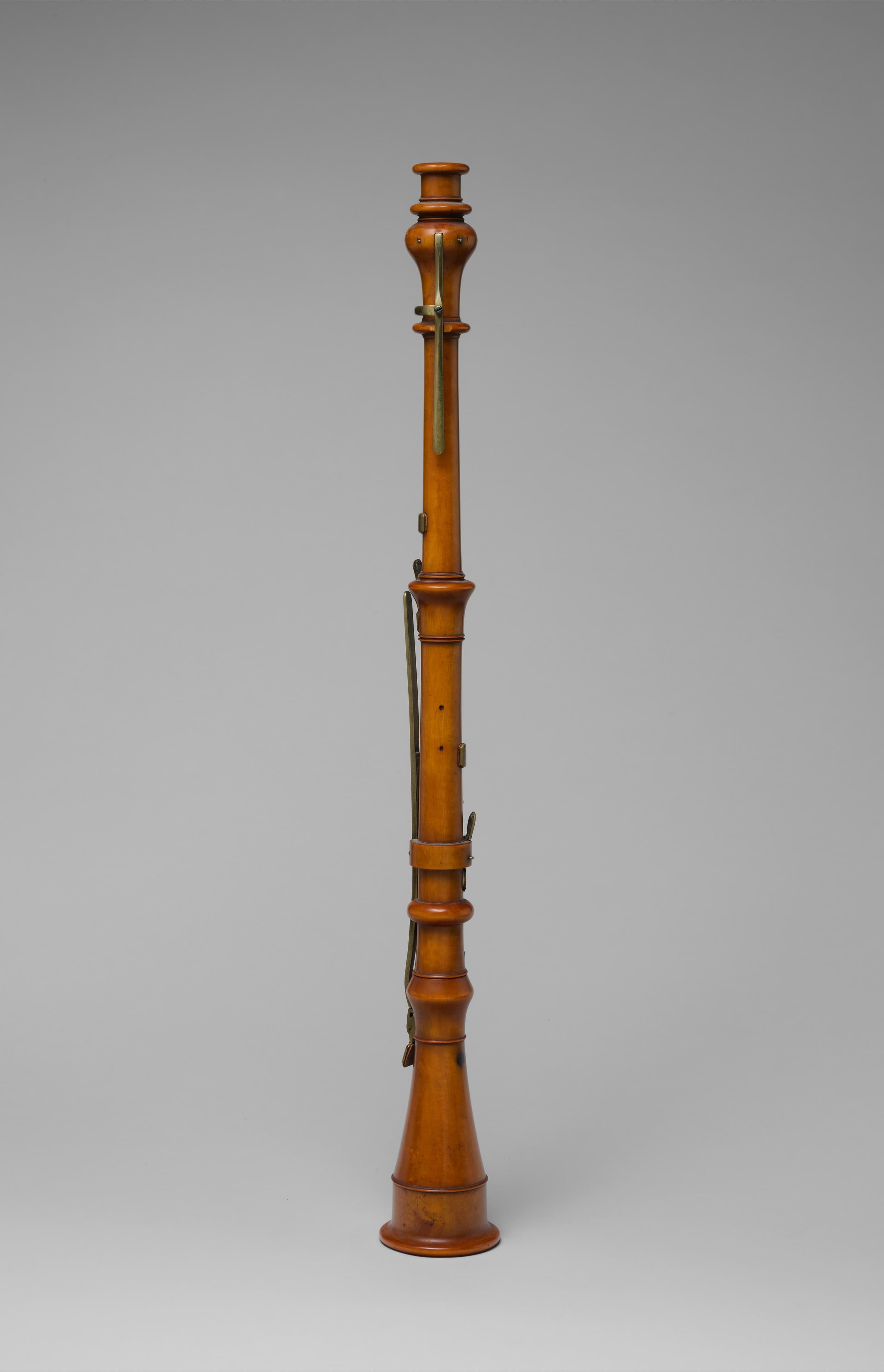
Overview
The oboe is a woodwind instrument with a double reed that produces distinctive, penetrating tones. It's central to classical music and is often used for tuning orchestras.
Cultural context
Central to Western classical music, representing the precision of orchestral tuning
Legendary players
- Heinz Holliger—
- Albrecht Mayer—
- Evelyn Rothwell—
Specimen note
The oboe is often used to tune orchestras because of its distinctive sound.
Technical specifications
Exhibit datasheet · derived from catalog fields
- Materials & construction hints
- See specimen tags and description for construction lineage
- Tuning & pitch
- Pitch material is tradition-specific; see description for scale and temperament context.
- Register & role
- Wind · typical use: Classical, Orchestral, Chamber Music
- Acoustic range (general)
- Frequency range depends on bore, length, and embouchure; treat published ranges as repertoire-dependent.
- Market class (indicative)
- $500-5000
Historical context
Central to Western classical music, representing the precision of orchestral tuning The oboe is a woodwind instrument with a double reed that produces distinctive, penetrating tones.
Frequently asked questions
- What is a Oboe?
- The oboe is a woodwind instrument with a double reed that produces distinctive, penetrating tones. It's central to classical music and is often used for tuning orchestras.
- Where does the Oboe come from?
- Oboe is documented in this archive as a wind tradition associated with France. Open the culture guide from this page for regional context.
- How difficult is the Oboe to learn?
- Difficulty varies by player and pedagogy. Use the difficulty field in the quick facts panel as a relative guide, then listen to specimen audio and explore related instruments in the same family.
Discovery web
Related artifacts
Swipe →
- ClarinetWind · GermanyShared lineageSame familySame eraRelated catalog
- BassoonWind · GermanyShared lineageSame familySame eraRelated catalog
- SaxophoneWind · BelgiumSame familySame eraRelated catalog
- PiriWind · KoreaShared lineageSame familySame era
- Accordion (Chromatic)Wind · GermanyShared lineageSame familySame era
- Harmonium (European)Wind · EuropeShared lineageSame familySame era
- Bansuri (Indian)Wind · IndiaShared lineageSame familySame era
- SuonaWind · ChinaShared lineageSame familySame era
- HarmoniumWind · IndiaShared lineageSame familySame era
- ZurnaWind · TurkeyShared lineageSame familySame era